
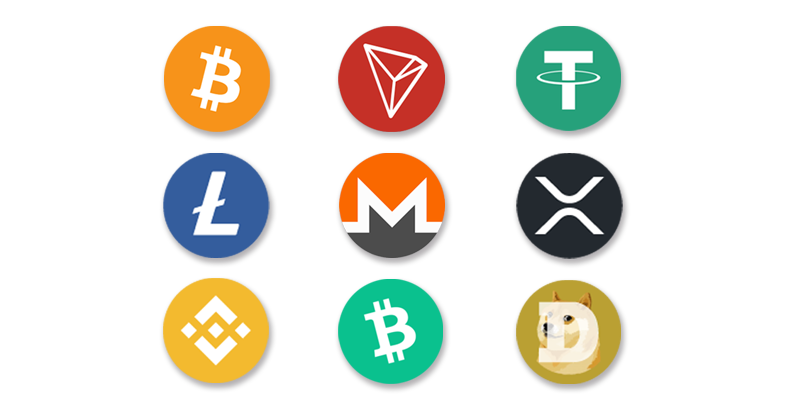
The online casino industry is experiencing a rapid transformation, with crypto casinos rising as a prominent alternative to the long-established traditional online casinos. As digital currencies like Bitcoin, Ethereum, and Litecoin continue to gain traction, players are presented with new opportunities for faster, cheaper, and more anonymous gambling experiences. However, the shift towards crypto casinos comes with distinct advantages and challenges compared to the traditional models. Here’s an in-depth comparison to help understand the key differences between these two types of platforms.
Mode of Operation: Centralized vs. Decentralized
Traditional online casinos operate under a centralized model, where players interact with the platform through established financial systems. Players create accounts, deposit fiat currencies (USD, EUR, SEK), and engage in games following specific banking regulations. These casinos are licensed by government authorities to ensure player safety, transparency, and fair play.
Crypto casinos, on the other hand, are built on blockchain technology. They offer decentralized operations, allowing players to make deposits and withdrawals directly through cryptocurrencies. Unlike traditional casinos, crypto platforms often bypass intermediaries like banks, creating a faster, more efficient transaction system. However, this decentralization also means that crypto casinos may face fewer regulations, potentially affecting player protection and trust.
Currency & Transactions: Fiat vs. Cryptocurrency
The most obvious difference between traditional online casinos and crypto casinos lies in their payment systems. Traditional casinos rely on fiat currencies such as pounds, dollars, or euros. Players make transactions through credit cards, bank transfers, or e-wallets, which often involve higher fees and slower processing times. Withdrawals can take days to process, particularly for international players.
In contrast, crypto casinos use digital currencies like Bitcoin, Ethereum, or Litecoin for transactions. These casinos operate on the blockchain, facilitating faster transactions that can be processed in minutes. With lower transaction fees and the removal of intermediaries, crypto casinos provide an appealing advantage in terms of both speed and cost-effectiveness.
Privacy & Anonymity: Protecting User Data
Another area where crypto casinos have the upper hand is privacy. Traditional online casinos often require players to submit personal information and undergo Know Your Customer (KYC) procedures. These regulations ensure that players are not involved in illegal activities, but they also expose users’ sensitive data to the casino’s platform.
Crypto casinos offer greater privacy. Players can typically register without providing extensive personal information. Since crypto transactions are pseudonymous, players’ identities are often not directly linked to their gambling activities. This level of anonymity is especially appealing to those who value their privacy while enjoying online entertainment.
Security & Regulation: Trust and Transparency
Security is a significant concern for both types of casinos. Traditional online casinos invest heavily in protecting player data through encryption technologies and other standard security measures. They must adhere to strict regulatory requirements imposed by gaming authorities to ensure fair play and protect consumers. This means players have a level of trust in the platforms they choose, as they are often licensed by reputable authorities.
Crypto casinos, however, operate in a less regulated environment. While blockchain technology provides enhanced security and transparency, particularly through “provably fair” systems, the lack of a central authority can create challenges. Without the oversight of a governing body, crypto casinos can sometimes face issues related to trust, fairness, and dispute resolution. Players are also responsible for securing their own funds, as losing private keys or wallet access can result in irreversible loss of cryptocurrency.
Game Selection & User Experience: Innovation and Variety
Traditional online casinos offer a wide range of games, from slots to table games like blackjack, roulette, and poker, along with live dealer options. They typically focus on user-friendly interfaces and seamless gameplay, attracting a broad range of players.
Crypto casinos also provide a diverse selection of games, but they tend to be more focused on innovative features like provably fair gaming. These platforms allow players to verify the fairness of the games themselves through blockchain-based transparency. Furthermore, many crypto casinos offer new game types or integrate decentralized finance (DeFi) concepts into their platforms, making the user experience more interactive and unique.
The influence of artificial intelligence (AI) in both types of casinos is growing. AI-driven features enhance game design, making gameplay smoother and more engaging. Both traditional and crypto casinos are leveraging AI to create more immersive experiences, though crypto casinos often implement these advancements in a more cutting-edge, tech-forward manner.
Transaction Speed & Fees: Efficiency and Cost-Effectiveness
The transaction speed and associated fees are a critical point of comparison. Traditional online casinos often experience delays in transaction processing due to their reliance on banks and financial institutions. Players may have to wait several days for deposits or withdrawals to clear, depending on the payment method. Additionally, fees associated with bank transfers, credit card transactions, and currency conversions can be substantial.
Crypto casinos offer nearly instant transactions, thanks to blockchain technology. Cryptocurrency transactions occur directly between the player and the casino, reducing processing time significantly. Moreover, the absence of intermediaries results in lower transaction fees, making crypto casinos a more affordable choice for players looking to maximize their gambling funds.
Bonuses & Promotions: Attracting Players with Rewards
Bonuses and promotions are crucial for attracting and retaining players, and both traditional and crypto casinos offer a variety of incentives. Traditional casinos typically offer welcome bonuses, free spins, and loyalty rewards, but these bonuses often come with high wagering requirements that can make them difficult to claim.
Crypto casinos, however, frequently offer more player-friendly bonuses with lower or no wagering requirements. Many crypto casinos also reward players for using specific cryptocurrencies, with exclusive deals for Bitcoin or Ethereum users. Instant deposit bonuses and lower transaction fees are also common promotional tools used to encourage participation.
Trust & Player Experience: Building Confidence
Trust plays a significant role in the choice between traditional online casinos and crypto casinos. Players are often more inclined to trust traditional casinos due to the established regulations and licensing they operate under. These casinos provide a sense of security, backed by third-party audits and consumer protections.
Crypto casinos rely on transparency provided by blockchain technology to build trust. The ability to independently verify game outcomes and transactions is a powerful tool for ensuring fairness. However, the lack of centralized oversight can create trust issues, especially for players who are unfamiliar with the technology or skeptical about the security of unregulated platforms.
The Shifting Landscape of Online Gambling
The rise of crypto casinos marks a significant shift in the online gambling industry. While traditional casinos provide established regulatory oversight, security, and a familiar user experience, crypto casinos offer speed, privacy, lower fees, and innovative features driven by blockchain technology. The choice between the two depends largely on what players prioritize—whether it’s the security and trust provided by traditional casinos or the faster, more anonymous experience of crypto casinos.
As digital currencies and blockchain technology continue to grow, the future of online gambling seems to be heading toward greater decentralization, offering players more control and privacy than ever before. Whether you’re a seasoned gambler or a newcomer, it’s important to weigh the advantages and challenges of each platform before deciding which suits your gambling style best.